If you've ever played bingo, you know the thrill of spotting the called number on your card and marking it carefully with a dauber. But switch to the digital world—whether on your phone via mobile devices or through browser-based games hosted by sites like Mr Q—and the process of marking numbers sometimes gets a tech upgrade. Automatic marking, or auto marking bingo, is one of those features that changes how we interact with the beloved game without stripping away its core appeal.
In this post, we'll explain how bingo apps identify and mark numbers automatically, examine the balance between digital convenience and the traditional hall atmosphere, and touch on design styles including the hybrid integration of the classic bingo grid with slot-machine-like reels. Plus, we'll mention some real-world players in the space like the Ontario Lottery and Gaming Corporation and local reporting by The Sarnia Journal.
Bingo's Identity and Core Mechanics
At the heart of bingo is simplicity: a player listens or watches as numbers are called, checks those numbers on their card, and marks them off. The goal is to complete a pre-set pattern, often a straight line horizontally, vertically, or diagonally.
Traditionally, this involves physical cards with numbers printed in a 5x5 grid (usually), and players use a bingo dauber to mark their spots. The tactile act of stamping a card, the audible call-and-response in a buzzing hall—it’s what gives bingo its social atmosphere.
Digital bingo, however, had to retain that same mechanic but translate it to screens. How do developers keep the essence without forcing players to perform tedious clicks or manual tapping for every called number? This is where auto marking bingo enters.
What Is Auto Marking Bingo?
Put simply, auto marking bingo is a digital convenience feature where the app or browser-based game automatically identifies numbers that have been called and visually marks those spots on your virtual bingo card. This replaces or supplements the manual method of tapping numbers to mark them.
Why does this matter? Because it reduces the chance of human error—players missing a number, marking the wrong square, or getting distracted. It streamlines play, speeds up each round, and helps users focus on bingo caller strategy and anticipation.
If you've played bingo on a platform like Mr Q, you might notice that your virtual bingo card updates in real-time, and marked spots get highlighted or change color instantly as numbers are drawn. This digital bingo dauber alternative offers both a clean interface and functional clarity.
How Does Automatic Number Marking Work Under the Hood?
To understand auto marking deeply, let's break down what happens behind the scenes:
- Number Detection and Broadcast: The central bingo server or game host calls out or generates random bingo numbers through a predefined algorithm or RNG (random number generator). This data is sent to all player devices in real time. Virtual Card Data Structure: Each player’s virtual bingo card exists as a set of data points—numbers arranged in a grid, tagged with their coordinates on the card. Each number is tied to a cell or “spot.” Matching Logic: When a number is broadcasted, the app’s code scans the player’s card data to check if the called number is present in any cell. Visual Marking: If the called number exists on that player's card, the app automatically updates the UI to reflect the marked status, often changing the background color of the cell, adding an overlay, or animating a “check” icon.
All this happens almost instantly, usually within a fraction of a second, so the bingo card on your mobile device or browser game stays perfectly synced with the number calls.
Technical Layers Involved
Layer Function Example Technology Back-end Server Runs the RNG or bingo number calling logic, manages player sessions Node.js, Python servers, custom bingo frameworks Data Transmission Real-time push of called numbers and game updates WebSocket, Socket.io, HTTP streaming Front-end (Game Interface) Receives number calls, matches with card numbers, updates UI JavaScript / HTML5, React, Vue.js User Interface Visual representation of the bingo grid, marking animations CSS animations, Canvas or SVG renderingHow Digital Convenience Fits With Bingo's Classic Atmosphere
The Ontario Lottery and Gaming Corporation (OLG) has embraced digital bingo while maintaining the social spirit that draws players. Many OLG digital games allow users to participate in bingo sessions from their phones or computers, preserving that communal feel through chat rooms, voice calls, or livestream hosts.
Reading The Sarnia Journal, a local news source, you get a sense of how some players welcome the convenience of digital but miss the buzz of a packed hall. Auto marking bingo helps by letting players relax their attention on marking and instead focus on the communal fun, calls, and conversation.
While physical bingo halls have the tangible excitement of shouts and card daubers, digital platforms like Mr Q provide instant feedback in their interfaces—marked numbers glow or pulse, and progress bars subtly indicate how close you are to winning.
The Trade-offs
- Pros of Auto Marking and Digital Play: Less tedious manual action, no missed numbers, instant win detection, and convenience to play anywhere on mobile or browsers. Cons: Slight loss of tactile action, higher risk of disengagement if players “zone out” since they’re not actively marking.
Hybrid Designs: Mixing Bingo Grids With Slot Reels
An interesting development in some digital bingo games is the hybrid design, which combines the traditional bingo grid with slot-machine-style reels. This design can be baffling at first glance, since it merges two different gaming mechanics.
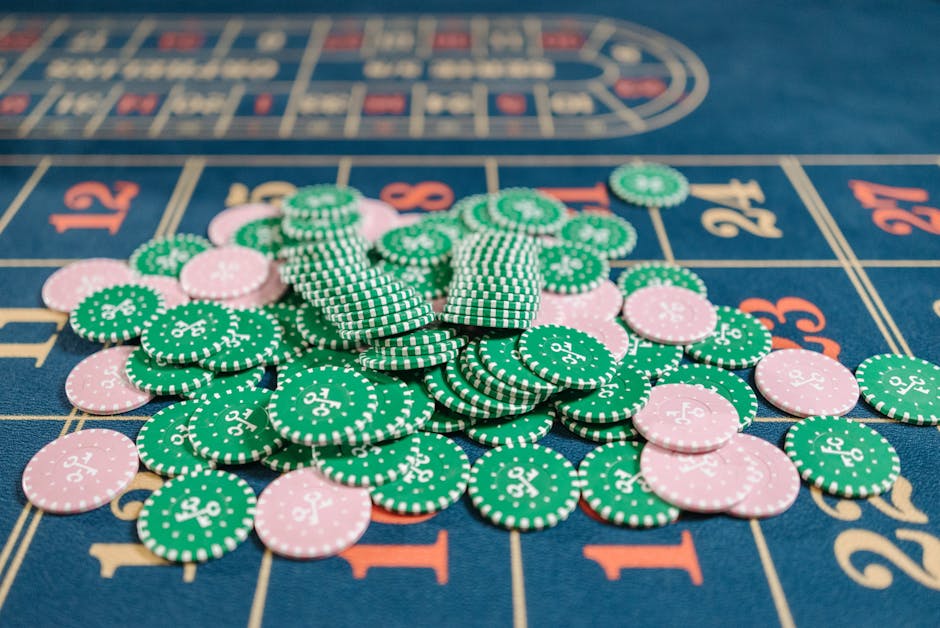
Imagine a usual 5x5 bingo card, but instead of numbers simply being displayed, some of them appear on spinning reels adjacent to the grid. When reels stop, numbers are called, and the virtual card grid updates. This concept attempts to inject suspense and animation into number calls.
However, as a reviewer and long-time bingo watcher, I’m wary of such hybrids. They can obscure the fundamental mechanics of bingo if the reels' spin outcome feels more like gambling than straightforward number draws. Transparency about the winning condition—complete patterns on the bingo card—is vital for user trust.
Sites like Mr Q lean towards clean, well-defined interfaces, featuring virtual bingo cards and straightforward auto marking rather than confusing reels-and-grid mashups. This clarity benefits both beginners and seasoned players.
Auto Marking Bingo on Mobile and Browser-Based Games
Both mobile devices and browser-based games have valid ways to implement auto marking. For example, playing on a smartphone screen means the interface must be compact and responsive. Numbers need to Article source be highlighted visibly without clutter, and the marking needs to be instantaneous to suit fast-paced play.
On desktops or laptops through browsers, there's more real estate, so the marked numbers often get paired with visual effects like glowing outlines, subtle animations, or progress bars indicating how many squares have been marked. Both interfaces cater to the same principle: recognize called numbers instantly and mark the virtual card automatically.
Tips When Playing Auto-Marking Bingo
Look for clear visual feedback — marked squares should change color or icons to show they’re checked. Check that the call history is visible, so you can track numbers and understand marking logic. Ensure you can toggle auto marking on/off if you prefer manual daubing for the feel. Watch progress bars or pattern indicators to anticipate winning before it happens.Final Thoughts
Automatic number marking in bingo apps is a welcome advancement that streamlines the player's experience. It respects the game's core mechanics by making the virtual bingo card easy to read and manage, while freeing players from routine manual actions.
Platforms like Mr Q provide examples of how auto marking bingo and virtual bingo cards can function smoothly on both browsers and mobile devices. Meanwhile, operators like the Ontario Lottery and Gaming Corporation are adapting the game for modern convenience without sacrificing community spirit—a balance often highlighted in reports by outlets such as The Sarnia Journal.
Whether you’re a traditionalist missing the tactile dauber or a busy player who likes the ease of an automatic virtual bingo card, understanding how auto marking works enriches your appreciation of the game’s digital evolution.