In the increasingly competitive world of iGaming, slot developers face the challenge of crafting games that captivate players visually while delivering gameplay that feels coherent and rewarding. A critical aspect often overlooked is the alignment between a slot's theme and its features. Misalignment can lead to player confusion, disengagement, or worse, distrust in the game itself.
Having spent over a decade in casino floors and online slot content editing, I've seen numerous examples where the theme and game mechanics clash. Today, I’ll walk through the biggest signs your slot theme and features don’t match, focusing on key elements like promised interaction, bonus behavior, and player feedback. Along the way, we’ll naturally reference some industry leaders and resources that exemplify best practices and common pitfalls.

Understanding the Role of Theme in Slot Design
Before diving into mismatches, it’s worth noting why theme matters so much. Beyond aesthetics, a slot’s theme sets player expectations about how the game should feel and function. The theme is the storytelling layer that gives symbols, sounds, and animations context, while features and mechanics represent the interactive core — how players engage and potentially win.
Platforms like Mr Q, which offers a wide variety of slots, show the diversity of themes available to players today. Some lean on nostalgic fruit symbols, others on modern fantasy worlds or movie licenses. But no matter the setting, the underlying game mechanics need to reinforce and complement that theme for a smooth user experience.
Legacy UI and Fruit Symbols: Instant Recognition and Clarity
One of the oldest, most enduring slot themes is the classic fruit machine. These symbols—cherries, lemons, plums—serve as a legacy UI language that instantly communicates the basics with minimal explanation. According to Encyclopaedia Britannica, fruit symbols originated as early branding to bypass gambling laws by linking wins to gum, not cash prizes.
This historical context explains why fruit-themed slots tend to stick with simple mechanics like straight paylines and fixed multipliers. The theme promises straightforward interaction: spin, match, win. When a slot with fruit symbols suddenly includes unrelated, complex bonus rounds or unpredictable behaviors, this can confuse players who expect clarity.
Signs of Mismatch in Legacy Fruit Slots
- Unrelated Bonus Behavior: If a fruit-themed game suddenly features elaborate treasure hunts or wild transformations not hinted by the theme, it feels jarring. Confusing Feedback: The sounds and animations don’t support the classic vibe—for example, futuristic tones overlaid on a fruit machine UI. Promised Interaction Is Vague: Players expect immediate wins and simple paylines; intricate gamble features or multi-level bonuses contradict this expectation.
Modern Candy and Snack Themes: Building an Interactive World
Moving beyond legacy fruits, many developers create immersive fantasy worlds based on candy, snacks, or everyday treats. A well-known example would be a game that uses bright pastel colours, sugary animations, and corresponding sound effects to evoke a playful candy land. If you’ve browsed slots on Mr Q recently, you’ll notice several titles leaning into this genre.
Modern candy-themed slots are usually positioned to be fun and light-hearted but require features britannica slot machine history carefully tuned to the world-building. The interaction design should echo the theme’s essence—bubbly, sweet rewards, and satisfying animations.
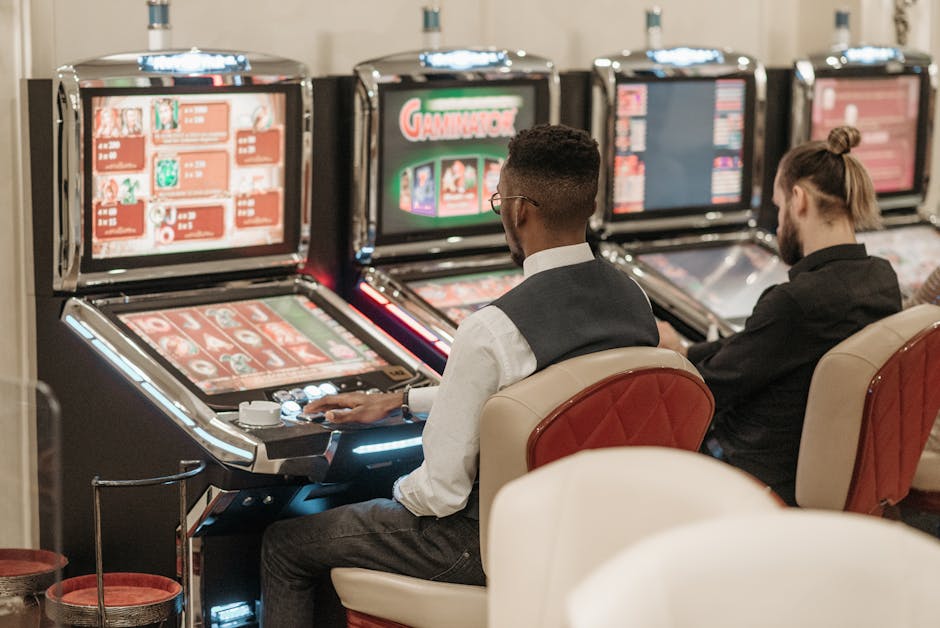
Where Theme-Mechanic Alignment Can Fail Here
- Bonus Features That Don’t Fit: For example, a candy slot featuring a bonus round based on mining or weaponry quickly breaks the immersive feel. Mismatch in Feedback Loops: Interfaces that give off dark or aggressive tones undercut the candy theme’s joyfulness. Confusing Promised Interaction: Offering too many complicated choices or menus can frustrate players expecting simple, enjoyable spins.
Photo credit for the accompanying image showing a candy-themed slot environment goes to Wesley Tingey on Unsplash.
Core Indicators Your Slot Theme and Features Are Out of Sync
Drawing from practical experience, I assess theme-feature alignment based on three major indicators:
Indicator Description Examples Promised Interaction Does the slot’s theme set clear expectations about the types of player involvement? E.g., simple spins, feature triggers, pick-me games. A classic pirate-themed slot promising treasure chests should have pick bonuses or coin collection features, not unrelated scatter scatter spins. Unrelated Bonus Behavior Are bonuses or special features disconnected from the theme’s narrative or visual cues? Or do they confuse or disrupt flow? Gem-themed slots with random card-drawing bonuses feel inconsistent and reduce immersion. Confusing Feedback Is the audio-visual feedback helping players understand wins, losses, or features? Or is it loud, repetitive, or off-tone? Using futuristic laser sounds on a vintage mechanical slot interface annoys and alienates players.Why Theme-Mechanic Alignment Matters
Informed players want their experience to feel cohesive. If the game promises an adventurous jungle trek but triggers bonus rounds resembling abstract puzzles, players might question the game’s authenticity. Misaligned themes also harm retention and trust, as confusion leads to frustration.
When the theme and features communicate harmoniously, players understand what to expect, find the game intuitive, and enjoy clear feedback from their actions. This balance contributes significantly to session length and repeat visits.
Best Practices for Developers and Editors
Ensure Feature-Theme Consistency Early: Before finalizing game code, verify that every bonus and mechanic aligns logically with the theme. Test Promised Interaction: Playtest as if you’re a novice; assess if interactions feel intuitive given the symbols, soundtrack, and narrative. Align Feedback: Check sound and animation volumes and styles. Avoid overly loud or repetitive audio that clashes with the theme's mood. Use Clear UI Markers: For legacy slots like fruit machines, keep UI simple and familiar. For immersive worlds, employ thematic icons and animations to guide players. Leverage Trusted Resources: Consult encyclopedic references (like Britannica) for historical context or design inspiration.Conclusion
The biggest signs a slot theme and features don't match boil down to broken promises in interaction, unrelated bonus behavior, and confusing feedback. Themes like classic fruits or modern candy worlds represent different player expectations regarding simplicity or immersion. By closely aligning features with these themes—and ensuring clarity and consistency—developers can create enjoyable and intuitive slots that stand out on platforms like Mr Q.
Next time you play or review a slot, watch for these red flags that indicate a disconnect between what the game looks like and how it plays. Clear communication through theme-mechanic alignment isn’t just polish: it’s essential to player satisfaction and trust.